
Announcing our Writers' Workshop
Hinterland editor Andrew Kenrick introduces a new opportunity for non-fiction authors to help develop their craft.

One of the things I’ve come to cherish in my own writing life is regular feedback from my writing group, that group of friends with whom I’ve been sharing my writing with for nearly ten years now. Every month when I hit send on the email with a new piece of writing attached I get that same tingly feeling, a mix of excitement and anticipation to see what they make of it. I’m not fishing for compliments; I’m looking for criticism that helps me develop my writing. And I love reading their works in progress just as much, watching as their stories develop over the months from the first sketch of an idea to a fully finished story.
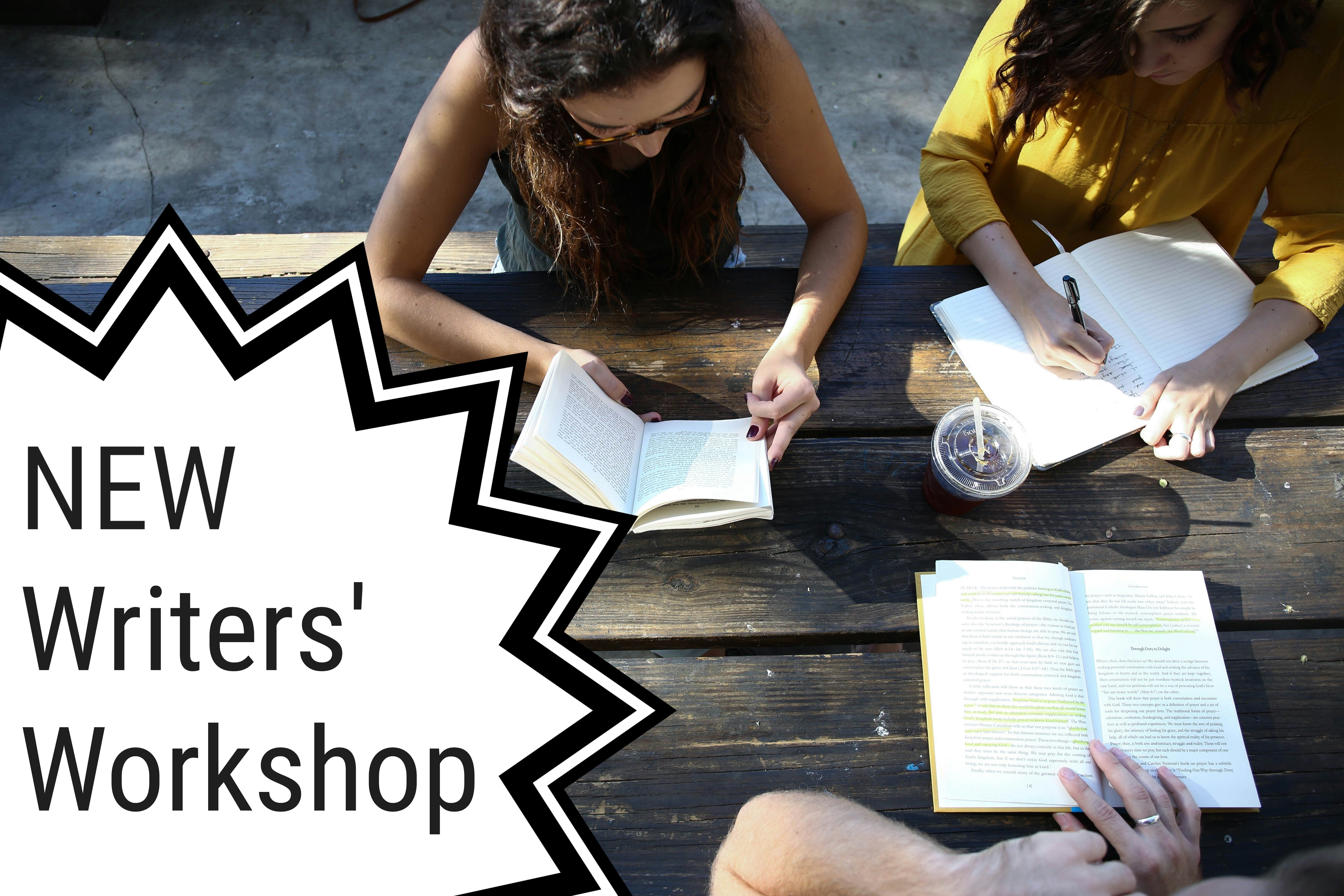
There’s something about reading and discussing other writers’ work, sharing rough drafts and half-plotted outlines, that makes us better writers ourselves. And that’s the idea behind Hinterland’s new Creative Non-fiction Writers’ Workshop, a monthly, online gathering where writers commit to reading and responding to one another’s work.
Over six months (starting the 18th February and then every third Wednesday of the month, 6.30-9.30pm GMT, online) we’ll come together to closely read and discuss works in progress, and feed it back into our own craft. This workshop features:
Small group size (capped at six) so that every voice is heard, led by me, an experienced workshop facilitator and non-fiction tutor.
Three submission points each — thoughtful, detailed feedback on up to 5000 words, three times over the six months.
Focus on craft over editing, with real attention to voice, structure, ethics, and intention. Everything you’ve come to expect from Hinterland.
This is the space where your unfinished, uncertain, evolving work gets serious attention from other writers who take non-fiction as seriously as you do.
Why workshop?
When we read our own work in isolation, it’s easy to miss what’s working — and what’s not. But in a workshop grounded in generosity and craft:
You learn to read like a writer — not just receive comments, but understand what they mean for your choices.
You begin to notice your blind spots — in rhythm, perspective, narrative arc or assumed knowledge.
You build confidence in shaping your work, not just fixing it — and confidence is half the craft.
This isn’t about finding ‘the answer’ in someone else’s head — it’s about sharpening your own questions.
What writers leave with
Participants in past workshops I’ve run often describe leaving with:
A clearer sense of what their project is.
Better tools for writing structure, scene and narrative drive.
A writing practice that feels like they’re able to make progress.
Real sense of community — the kind that sustains long after the course ends.
If you want to shift from writing alone to writing in conversation, then this workshop is for you. You can sign up now — spaces are intentionally limited to keep the conversation focused within the group.
I’m looking forward to reading what you’re writing — and writing alongside you!
— Andrew